
Is hot chocolate really chocolate these days?
In recent years, more people have started asking a simple question: is hot chocolate really chocolate, or has it quietly become something else? The drink still arrives looking familiar, but the flavour often tells a different story, sweeter, thinner, and less cocoa-led than many expect. That shift hasn’t happened by accident, and it’s worth understanding what’s behind it.
So, is hot chocolate really chocolate anymore?
For a large number of commercial products, the answer is less straightforward than it used to be.
Many hot chocolate mixes are built primarily around milk solids and sugar, with cocoa added in relatively small amounts. In some cases, cocoa content has been reduced over time and replaced with flavourings designed to suggest chocolate rather than deliver it. The result is a drink that tastes pleasant enough, but lacks depth and character.
This kind of quiet reformulation rarely announces itself, but people notice it when the drink no longer tastes quite how they remember.
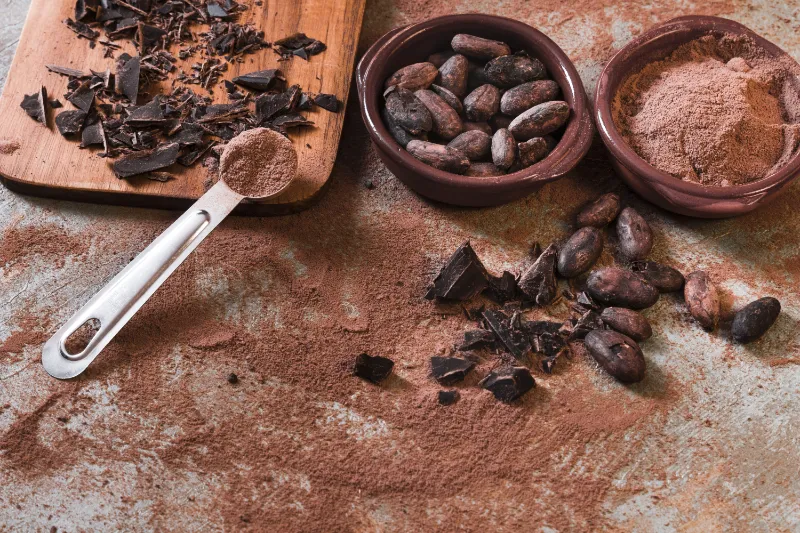
Why people are questioning whether hot chocolate is really chocolate anymore
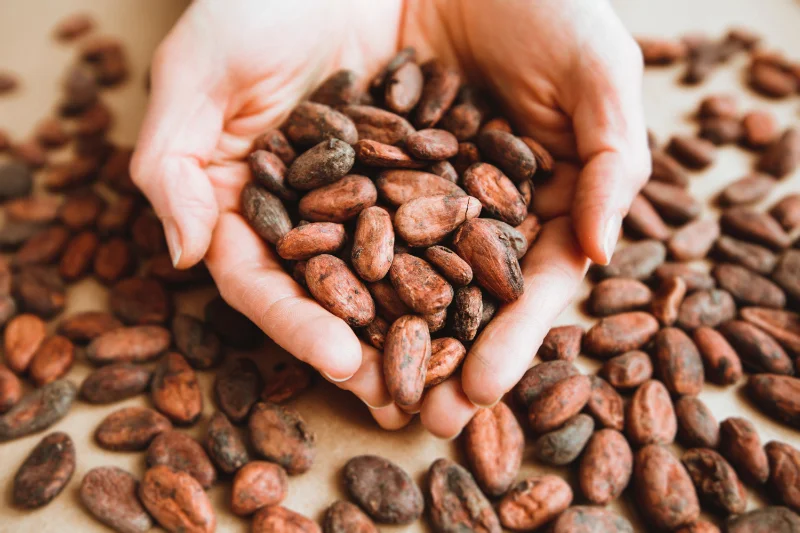
Cocoa has become significantly more expensive in recent years, and manufacturers have had to respond. Some have raised prices. Others have quietly adjusted recipes.
As cocoa content drops, packaging language often changes too. Terms like “chocolate flavour” or “chocolatey” appear more frequently, signalling that the product no longer meets the traditional definition of chocolate. The name stays familiar, but the substance shifts underneath it.
That’s why the question of whether hot chocolate really chocolate keeps resurfacing.
What’s actually in most commercial hot chocolate
A glance at the ingredients list on many hot chocolate powders reveals a familiar pattern. Sugar and milk powder dominate. Cocoa often appears further down the list, playing a supporting role rather than leading the flavour.
This produces a drink that is sweet and comforting, but one-dimensional. Sweetness masks the absence of cocoa depth, and the experience becomes about warmth rather than flavour.
Once you notice this, it’s hard not to ask again whether hot chocolate really chocolate, or simply chocolate-flavoured.
Here’s an article from the BBC about the state of modern chocolate read more.
Why cocoa percentage matters
Cocoa percentage tells you how much of the chocolate is made up of cocoa solids, rather than sugar or milk. Lower percentages tend to be softer and sweeter. Higher percentages bring bitterness, richness, and complexity.
Neither is better than the other, but they are very different experiences. Understanding cocoa percentage changes how you think about hot chocolate, turning it from a single category into a range of styles, much like coffee or wine.
Choosing the hot chocolate that suits you
Some days call for something smooth and familiar. Others suit something darker and more contemplative. There’s no correct answer, only preference.
But once you’ve tasted hot chocolate made with real cocoa content, it becomes easier to understand why so many people are questioning what’s in their cup.
Hot chocolate should do more than warm your hands.
It should taste like chocolate.
Our approach to hot chocolate at North Coast Café
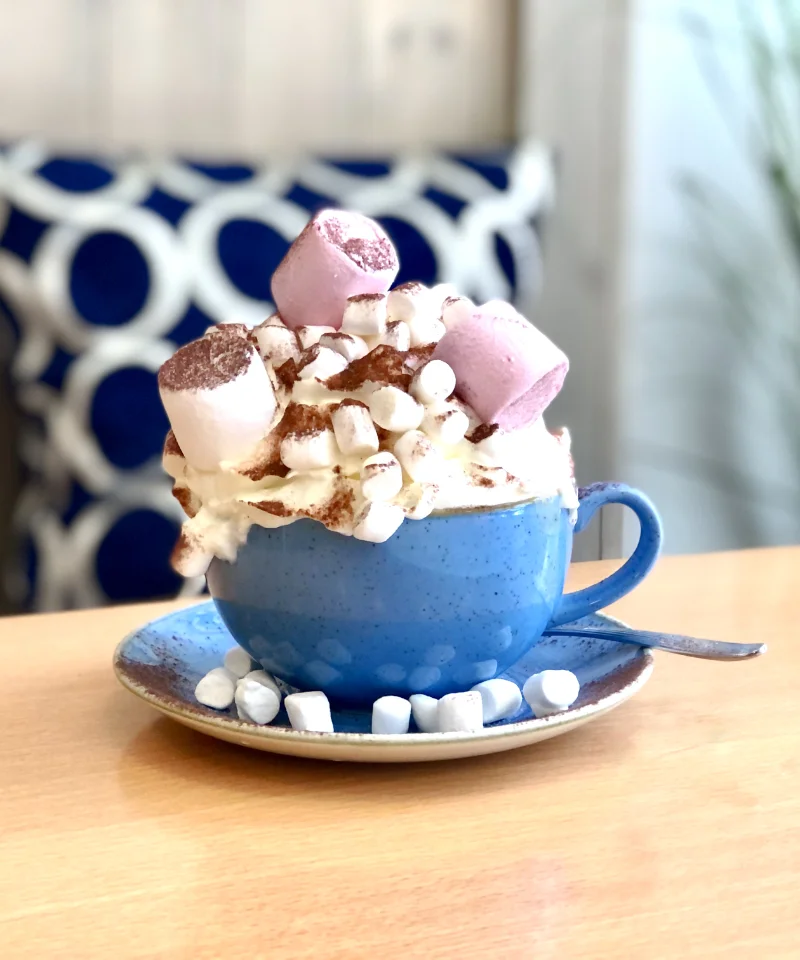
When we developed our hot chocolate menu, we started with one principle. It had to taste like chocolate.
Our house Italian hot chocolate begins at 30% cocoa, already higher than many commercial mixes. From there, the range increases through darker options, right up to 70% cocoa, for those who enjoy something bolder and more intense.
The aim isn’t to persuade everyone to choose dark chocolate. It’s to offer a genuine choice, based on flavour rather than assumption, and to answer the question of whether hot chocolate really chocolate with clarity and transparency.